
The Allure of Risk and Reward
The psychology of gambling is deeply intertwined with the concepts of risk and reward. Many players are drawn to the thrill of potentially winning large amounts of money, despite knowing the odds are typically against them. This inherent risk activates the brain’s reward system, producing feelings of excitement and pleasure. The anticipation of a win can often outweigh the potential for loss, creating a compelling reason for players to engage in casino gaming. In the context of this thrill, exploring gambling apps in texas can offer players new ways to experience this excitement from the comfort of their homes.
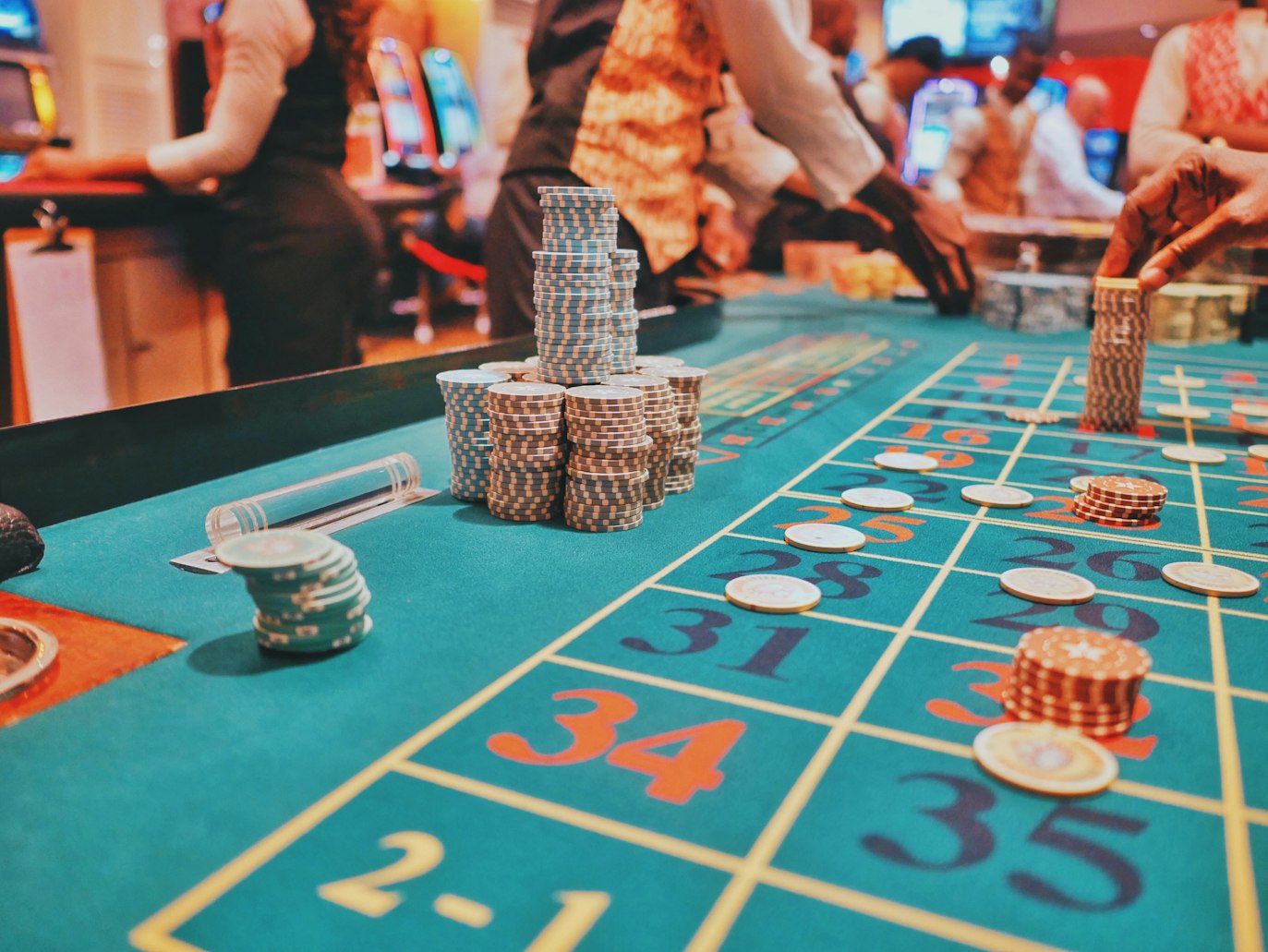
This allure is fueled by a phenomenon known as variable reinforcement, where players receive rewards unpredictably. This unpredictability keeps players engaged, as every spin of the slot machine or hand of blackjack holds the potential for a significant payoff. Understanding this psychological dynamic can reveal why individuals continue to gamble, even when it leads to negative consequences.
The Role of Cognitive Biases
Cognitive biases play a crucial role in shaping the decision-making processes of gamblers. One common bias is the illusion of control, where players believe that they can influence the outcome of a game despite it being purely random. For example, a player may think that their betting strategy or choice of numbers can impact the result, which can lead to more frequent playing and higher stakes.
Another significant bias is the gambler’s fallacy, the belief that past events affect future outcomes in independent games. Players might think that a number is “due” to hit because it hasn’t appeared in a while, leading them to make irrational betting choices. These cognitive distortions not only enhance the gaming experience but can also lead to risky behavior and financial losses.
The Influence of Social Environment
The social dynamics of gambling can significantly influence individual strategies and behaviors. Many players enjoy the communal atmosphere of casinos, where they can share their experiences and strategies with others. This social environment can create a sense of camaraderie, often reinforcing a social identity associated with being a gambler.
Additionally, peer pressure and social validation can affect betting behaviors. Players might increase their stakes or alter their strategies to align with those of their friends or colleagues, believing that collective betting strategies will yield better results. This social context adds another layer to the psychology of gambling, impacting both mental outlook and decision-making.
Emotional Responses and Gambling Strategies
Emotions play a vital role in the choices gamblers make and the strategies they adopt. The highs of winning generate euphoria, while losses can lead to feelings of frustration or depression. These emotional responses can cloud judgment and lead to impulsive decisions, such as chasing losses or increasing bets in a desperate attempt to regain lost funds.
Players often develop specific strategies based on their emotional states, using gambling as an outlet for stress relief or escapism. Understanding the emotional triggers that influence gambling behavior can help individuals recognize when their emotional state might be leading to poor choices. By developing self-awareness, players can create healthier gaming strategies that prioritize enjoyment over financial gain.

GamesHub: A Safe Space for Gamers
GamesHub.com offers a secure and engaging platform for gamers to explore their interests, including casino gaming. With a focus on safety and user experience, the site is dedicated to promoting responsible gaming practices while allowing users to connect and enjoy a seamless gaming experience.
As the gambling landscape continues to evolve, understanding the psychology behind gaming strategies is essential for both players and operators. GamesHub aims to create a supportive environment where individuals can enjoy gaming responsibly, fostering a community built on trust and mutual respect.